Glandore Harbour Paths: Coastal Walking Routes
Easy waterfront walks with benches for resting, local history, and views that change with the seasons. Perfect for a morning or afternoon outing.

Why Glandore Harbour?
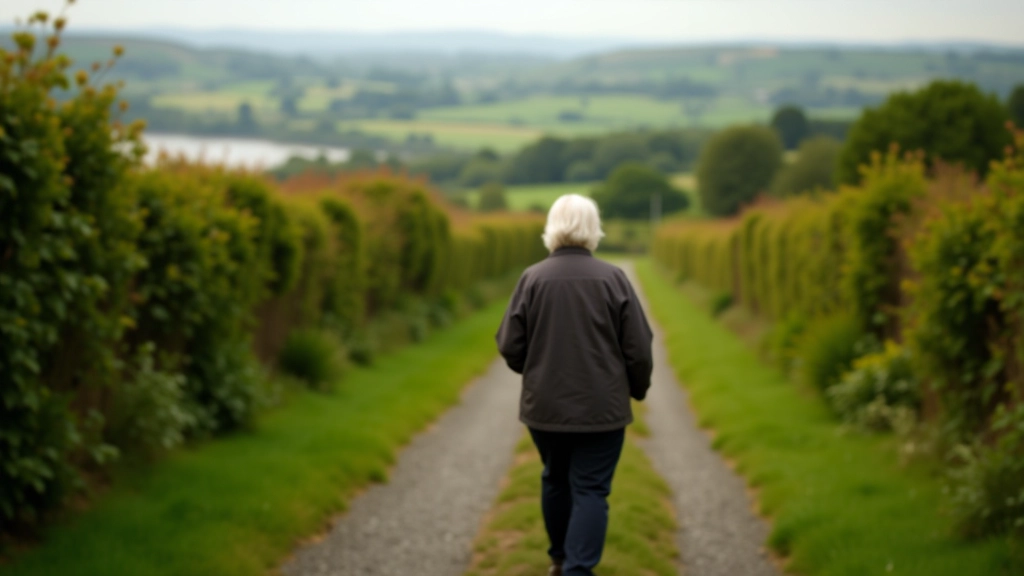
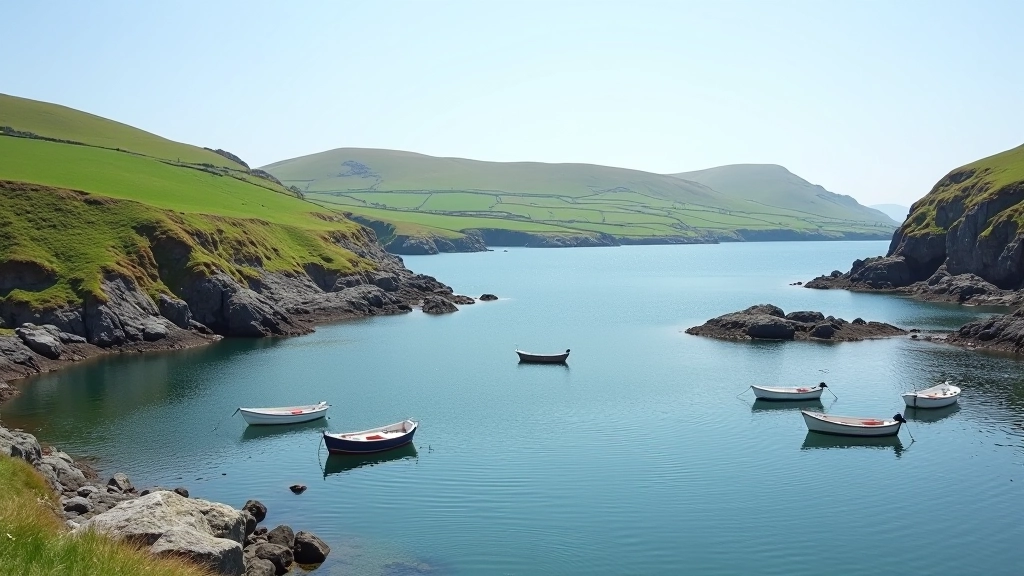
Glandore's a gem that doesn't get the attention it deserves. You've got the water on three sides, the village tucked in tight, and paths that wind through everything at a pace that suits you. Most days you'll see locals out walking — some moving quick, others taking their time on the benches watching the boats.
The real appeal here isn't dramatic views or challenging terrain. It's the combination of things: good paths underfoot, spots to rest every few minutes, and genuine character. The harbour's been used for fishing and trading for centuries. That history sits quietly in the buildings and the way the village is laid out.
The Main Routes
There's no single "official" Glandore walk. Instead, you've got interconnected paths that let you build a route that fits you. The harbour walk itself runs about 1.5 kilometers — flat, well-maintained, with benches positioned roughly every 200 meters. This isn't coincidence. The council placed them there because locals kept asking for rest spots.
The Harbour Circuit
Start at the main car park. Follow the waterfront east past the boat slipway. You'll pass the old quay — that's where fishing boats still dock. The path curves north toward the village, passing a small community garden. Loop back west along the upper path and you're done. Total: about 45 minutes at an easy pace. Perfect for beginners or anyone who wants a straightforward walk.
If you want something slightly longer, there's an extended route that takes you up toward Castlefreke. This adds another 2 kilometers and involves some gentle incline. You're walking through mixed woodland and past stone walls that've been there for 200 years. The views open up when you clear the trees — you can see across the estuary.
What You'll Actually Need
Here's the honest part: most people overpack for Glandore. The walks are short enough that you don't need serious kit. Wear whatever you'd wear for a casual walk around town. Trainers work fine — the paths aren't rocky or technical. The only thing that matters is weather appropriate clothes. This is the coast, so wind comes up quick and rain passes through just as fast.
Bring water. There's a shop and a café in the village, but if you're walking for an hour, water's sensible. A sun hat or cap helps if the sun's out — there's not much shade on the harbour walk itself until you head inland. The benches have backs, which is worth mentioning. You can actually sit comfortably, not just perch.
Key Details
- Paths are mostly flat with gentle grades
- Surface is firm grass and compacted gravel — good underfoot
- Free parking at the main car park (space for 40+ cars)
- Toilets in the village, about 5 minutes from the start
- Mobile signal is reliable — you won't get lost
- Best visited at low or mid-tide — better views and access
When to Walk Here
Spring brings warblers to the woodland and wildflowers along the path edges. May and June are probably the sweetest months — the light's long, temperatures are mild, and you won't be fighting crowds. Summer works fine, though July and August bring more visitors. That's not a complaint, just a reality.
Autumn's genuinely beautiful. The light gets that golden quality that photographers chase. Oaks and birches turn color. The water's still calm most days. Winter's fine too — it's rarely freezing here, and a walk on a clear winter day with low sun reflecting off the water is something special. You'll just have fewer daylight hours to work with.
Tides matter here. At high tide, the path stays accessible but you lose beach access. Low tide opens up more of the shoreline. Check local tide times before you go — it takes two minutes online.
The Place and Its Story
Glandore's name comes from Irish — Geal an Doire means "bright oak wood." That tells you what was here centuries ago. The harbor itself was important for trading and fishing from medieval times onward. Fishing still happens, but tourism and leisure use dominate now. You'll see a mix of working boats and pleasure craft in the water.
The village developed around the natural harbor. Buildings cluster tightly — practical for defense and community. Walk through and you'll notice architecture that spans centuries. Some cottages date back to the 1700s. More recent houses sit alongside. This layering of time is part of the walk's appeal. You're not just moving through landscape. You're moving through history that people still live in.
There's a small heritage center in the village with information about local maritime history. It's worth stopping in if you want context. But honestly, the story's also written in the buildings, the quay, the way paths curve around obstacles that made sense 300 years ago.
Making It Work For You
The best thing about Glandore is that it's flexible. You're not locked into a specific route or a specific distance. Start with the harbour circuit if you're new to walking. It's short, manageable, and you can extend it once you've found your rhythm. The paths are well-maintained and honestly, you'll see other walkers — people who know the place and are happy to chat.
What we've found over years of guiding walks here is that people come back. They don't come back for dramatic scenery or achievement. They come back because the walk feels right. The pace suits them. The benches are there when they need them. The water and the light and the history create something that feels whole.
Start simple. Walk the harbour. See how you feel. If you want more, the extended routes are there. But don't feel pressure to do more than suits you. That's not what walking's about.
Important Information
This guide provides educational information about walking routes in Glandore Harbour. Conditions can change — paths may be affected by weather, maintenance, or seasonal factors. Always check local weather forecasts and tide information before you go. Wear appropriate footwear and bring sufficient water. If you have mobility concerns or health conditions, consult with a healthcare provider before undertaking any walk. The author and publishers assume no liability for injuries or accidents that occur while following these routes.