
Starting Your Walking Journey
Walking isn't just good for your body — it's brilliant for your mind. If you're in your sixties or beyond, you've probably thought about getting out more but weren't sure where to start. Thing is, there's no age limit on exploring the beautiful countryside around West Cork.
The key is choosing routes that match where you're at right now. Maybe you've been fairly active, or maybe you're getting back into it after a while. Either way, we're not talking about challenging mountain treks here. We're talking about manageable walks that let you enjoy nature, get some fresh air, and feel genuinely accomplished afterward.
What makes a walk accessible? Several things: a clear, well-maintained path. Regular places to rest. Not too much climbing or technical footing. And ideally, something interesting to see — whether that's a historical site, coastal views, or just good company.
Finding the Right Pace and Distance
Here's something most people don't realize: you don't need to walk far to feel satisfied. A 2-kilometer walk — that's roughly 25 to 30 minutes of easy strolling — gives you genuine health benefits. You'll feel the difference.
The best starting point? A flat route with no more than 100 meters of total elevation gain. After a few weeks of regular walks, you might feel ready for slightly more challenging terrain. But there's absolutely no rush. Building consistency matters far more than pushing yourself hard.
Timing matters too. Early morning walks when it's cooler are easier on your body. Most people find mid-morning — around 10 or 11 a.m. — works well. You've had breakfast, you're not rushed, and you've got daylight ahead.
Sweet Spot Distance: 2–3 kilometers (1.2–1.9 miles) for most starting walkers. That's 25–40 minutes at a relaxed pace.
What to Bring and How to Prepare
Footwear
Proper walking shoes aren't a luxury — they're essential. You want something with good ankle support and a thick sole that grips well on uneven ground. Worn-out trainers or dress shoes won't cut it. Invest in a decent pair and your knees will thank you.
Water and Snacks
Carry at least 500ml of water. A small snack like a banana or energy bar helps maintain your energy levels. Don't skip this — dehydration sneaks up on you and ruins the experience.
Weather Protection
West Cork weather can change fast. Layer your clothing so you can adjust. A light windproof jacket fits easily in a small backpack. Sunscreen and a hat? Non-negotiable, especially if you're out for more than 30 minutes.
Comfort Items
A small first-aid kit with plasters and pain relief is sensible. Your phone for emergencies. And honestly? A walking pole or stick helps on rougher terrain and takes pressure off your knees and hips.
Routes with Built-in Rest Points
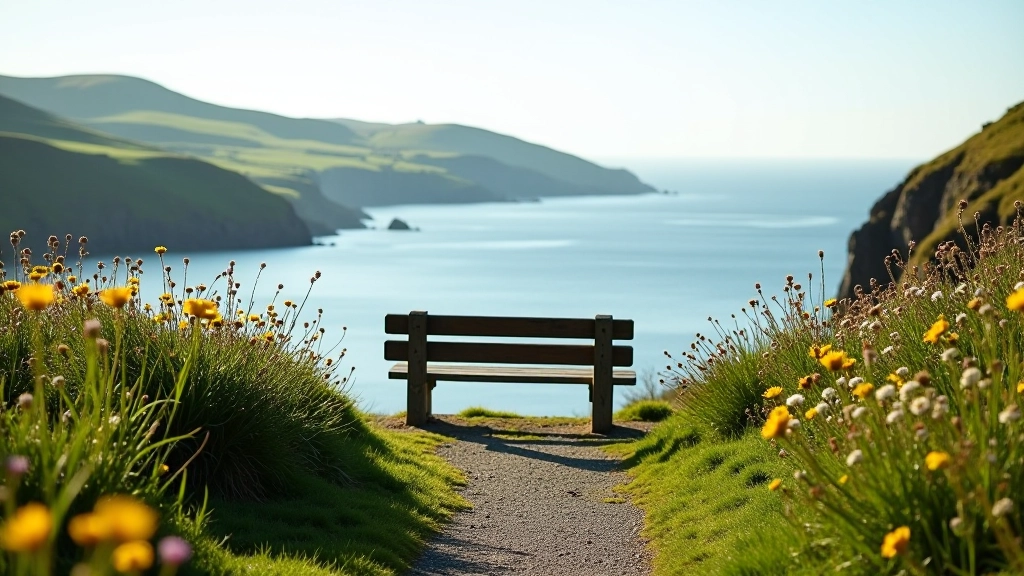
The beauty of walking around West Cork is that so many routes have natural stopping points. Benches near viewpoints. Small villages with cafés. Historic sites where you can pause and take in what you're seeing.
Glandore Harbour, for instance, has excellent paths with regular seating. You can walk the waterfront, rest whenever you like, and there's a village with proper facilities nearby. Drombeg Stone Circle routes offer shade under nearby trees and flat sections perfect for building stamina.
Plan your route so you've got a rest point roughly halfway. This isn't laziness — it's smart training. You'll feel fresher for the second half and actually enjoy the experience rather than limping home exhausted.
Managing Fitness Progression
You'll notice changes quickly. After about 2 weeks of regular walking, you'll feel slightly less winded. By week 4 or 5, distances that felt challenging become comfortable. This isn't magic — it's how your cardiovascular system responds to consistent activity.
Don't compare yourself to others. Some people walk fast, some slow. What matters is that you're moving and you're enjoying it. If you're having a rough day — maybe your knees are bothering you or you didn't sleep well — it's perfectly fine to take a shorter route or skip the walk entirely. Consistency over weeks and months matters more than pushing yourself hard on any single day.
As you get stronger, you might gradually increase distance by 10–15% every couple of weeks. Or you might tackle slightly steeper terrain. Or you might just enjoy the same routes more deeply, noticing new details each time. All of these are progress.
Week 1–2: Get familiar with easy 2km routes. Focus on enjoying the experience, not speed.
Week 3–4: Repeat favorite routes. You'll notice them feeling easier and more enjoyable.
Week 5+: Consider 3–4km routes or add slightly steeper sections. Your body's ready.
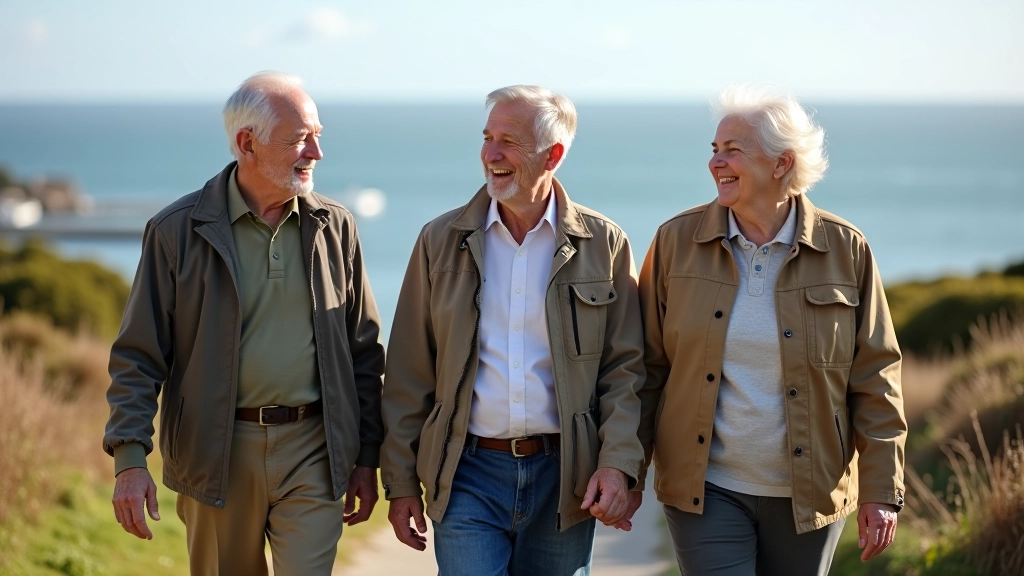
Walking with Friends Makes It Stick
Here's something we know from experience: you're far more likely to keep walking if you've got someone to walk with. Whether that's a partner, a friend, or a local walking group — having company makes it social, not just exercise.
West Cork has several community walking groups specifically for older adults. They're not competitive. People walk at different paces and distances. It's genuinely about getting outdoors, staying active, and enjoying each other's company.
Plus, walking with others means someone's there if you need support. Someone knows where you are. And honestly, shared laughter and good conversation make the time fly. A walk that might feel long solo becomes enjoyable when you're chatting.
Getting Started This Week
You don't need special talent or years of fitness experience to start walking. You need shoes that fit, a route that interests you, and a commitment to showing up regularly. That's genuinely it.
Pick one easy route near you. Walk it twice this week if the weather cooperates. Notice how you feel afterward. Notice what you see that you'd never seen before. After a few weeks of this, walking won't feel like something you're forcing yourself to do — it'll be something you actually look forward to.
The countryside around West Cork is waiting. You're more capable than you probably think. Let's go walking.
Disclaimer
This article is informational and educational in nature. It's not medical advice. If you have existing health conditions, joint issues, or haven't exercised in a long time, it's sensible to chat with your doctor before starting any new walking program. Everyone's circumstances are different. Listen to your body, take breaks when you need them, and adjust routes and distances based on how you actually feel, not on what you think you should be able to do.