
Walking to Drombeg Stone Circle: A Beginner's Guide
Discover one of West Cork's most iconic megalithic sites. We'll walk you through the routes, what you'll encounter, and why these ancient stones matter.

Getting to Know Drombeg
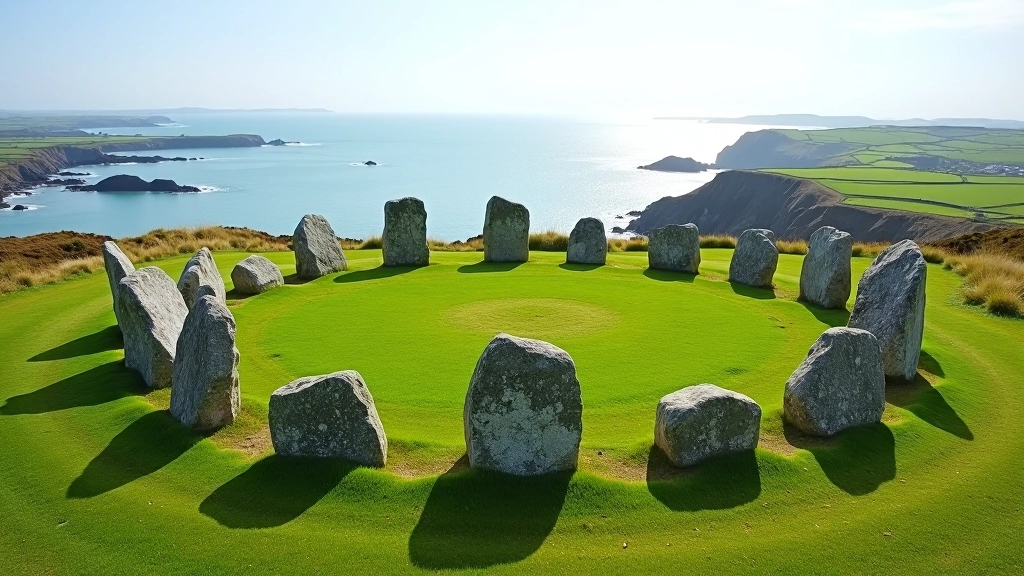
Drombeg Stone Circle isn't just another historical site. It's a 3,500-year-old gathering place that still commands respect. Thirteen weathered stones stand in perfect formation on a hillside near Glandore, and when you're standing there, you'll feel why ancient people chose this exact spot.
The walk itself? It's manageable. Most people take 45 minutes from the car park, though you can take your time without pressure. There's no entrance fee, no crowds controlling your pace, and you're welcome to stay as long as you like. That's what makes it perfect for beginners.
The Main Route: What to Expect
From the car park, you'll follow a clear path that climbs gently through farmland. It's not steep—the total elevation gain is about 50 metres, spread across the whole walk. The ground's usually firm, though it can get muddy after rain, so wear proper walking boots rather than trainers.
You'll pass through a working farm on the approach. The farmer's used to visitors, but it's common courtesy to close any gates behind you and stick to the marked path. About halfway, you'll notice the landscape opening up—that's when you know you're getting close. The stones appear gradually as you crest the hill, and there's this moment where you suddenly see all thirteen of them at once.
Why This Circle Matters
Drombeg dates to around 1500 BCE—that's Bronze Age Ireland. The stones aren't randomly placed. They're aligned to the winter solstice sunset, which means whoever built this understood astronomy and geometry. Modern archaeologists have found evidence that this was a ceremonial gathering place. Charred remains of feasts have been discovered nearby, suggesting people came here to celebrate significant moments.
The largest stone faces southwest, and if you're there on the winter solstice around 3:30 pm, the sun sets directly behind it. You don't need to visit on that exact date to appreciate the engineering—just standing in the circle and looking at how deliberately each stone's positioned tells you plenty about the people who built it.

What You'll See at the Site
When you arrive at the circle, there's a small information board that explains the basics. The stones themselves are impressive—some stand about 2 metres tall, others are lower. You're allowed to walk among them, touch them, and spend as much time as you want exploring. There's a bench just outside the circle if you need to sit and take in the view.
The real bonus? On clear days, you can see towards the coast. There's a genuine sense of isolation up there, even though you're only a short walk from the car park. Bring a camera—the light changes throughout the day and creates different moods depending on when you visit.

Practical Tips Before You Go
Timing and Weather
Plan for the full walk to take about 90 minutes, including time to explore the circle itself. Wind's common on the hillside—bring a windproof jacket. Early morning or late afternoon gives you the best light for photos.
Parking and Facilities
The car park's at the bottom of the lane near Glandore village. It's free. There aren't toilets at the site itself, so use facilities in the village first. Bring water—there's nothing to buy once you leave the village.
Footwear and Gear
Proper walking boots with good grip are essential. The path can be slippery, especially after rain. Bring a walking pole if you like—it helps on the uphill section and takes pressure off knees on the way down.

Why Drombeg Is Worth the Walk
You don't need to be a history expert to appreciate what's standing on that hillside. Drombeg offers something you can't get from a museum visit—you're standing exactly where people stood 3,500 years ago. The stones are real, weathered, and still commanding attention across millennia.
The walk itself is achievable for most fitness levels. It's not rushed, not crowded, and it gives you time to think about what these ancient people understood about their landscape. Whether you're interested in archaeology, prefer a gentle hillside walk, or just want to experience something genuinely different, Drombeg delivers. Come early, bring your boots, and take your time. You'll see why this circle has stood for so long.
Important Information
This guide is informational and based on current conditions. Weather, farm access, and ground conditions can change. Always check local updates before visiting. Wear appropriate footwear, bring sufficient water, and tell someone where you're going. If you have mobility concerns, consult with your healthcare provider before attempting hillside walks. The site is on working farmland—respect the farmer's property and leave no trace of your visit.